Logo maker
Article
Photography Logo Design: 9 Examples of 2022

Updated on June 7, 2022
In this article, we’ll look at ideas for photography logos, examples of marks that work best in 2022, and we’ll review designs for a photography logo with the letter s—a design that’s quite in demand, showing almost 18k search results.
Photographers, photo studios, or photo equipment shops need business logos that are well-designed. Customers are often creatives or people with an eye for design. A poorly-designed or stale-looking photography logo reflects these values onto the business. Often, the first idea is to try out a logo with a camera. We’ll take a look at why a literal camera logo may not be the most strategic choice for your photography brand, how to even include the basics of brand strategy, what “positioning” means in branding and how it plays a role for the design of a photography logo.
Then, we’ll look at the steps for creating a modern logo at lightning speed (60 seconds!)—from finding the right color palette to what typography works well for photographers or creative studios.
Next, we’ll dive into the differences of using a simple wordmark logo versus adding a symbol to a photography logo. We’ll talk about modern ways to make a wordmark logo look unique. Lastly, we’ll look at the big picture for your brand identity—what modern logo lockup formats are and how designers test their logo designs for applications in 2022. Ready to create your logo? Get started with your photography logo right below, or read on to learn the cornerstones that branding professionals use for their designs.
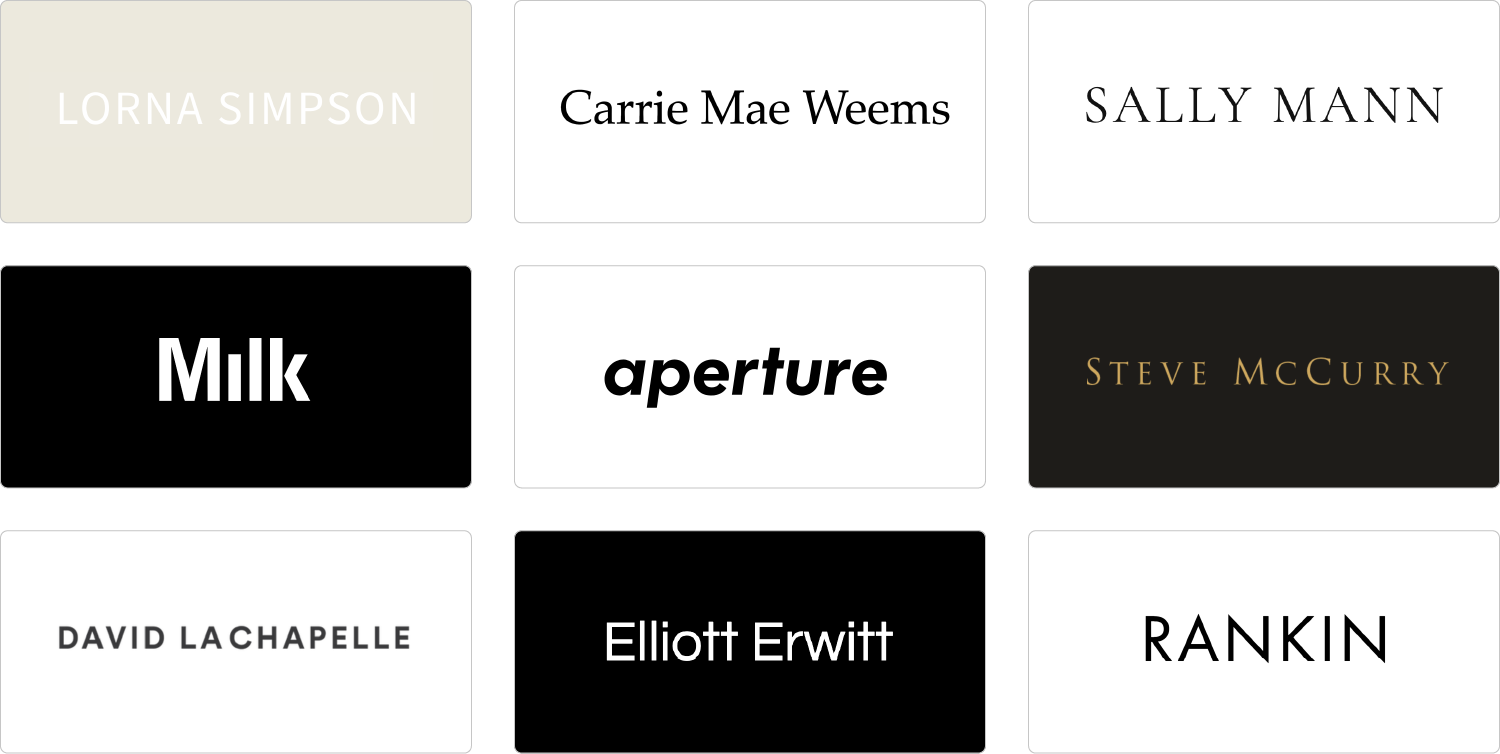
Let’s take a look at some well-known photographers and their logos (and one photography site and a photography studio) above. Notice that the overall brand feel is unobstrusive—simple text logos, especially when set in thinner weights, feel sophisticated. As you can see wordmarks are quite popular. To make a wordmark logo stand out, focus on the details of type design: Which font has letter shapes that fit my brand’s name? Can I swap one of the letters to make the wordmark unique?
Should my logo have tight tracking (sometimes called letter-spacing), or should it be open? Less tracking makes logos feel stronger, whereas wider tracking gives logos a light, less corporate feel. Serif fonts (fonts with little feet on their letters) make a brand feel more personal. Sans serif fonts make brands look more approachable, both in personality and in cost.
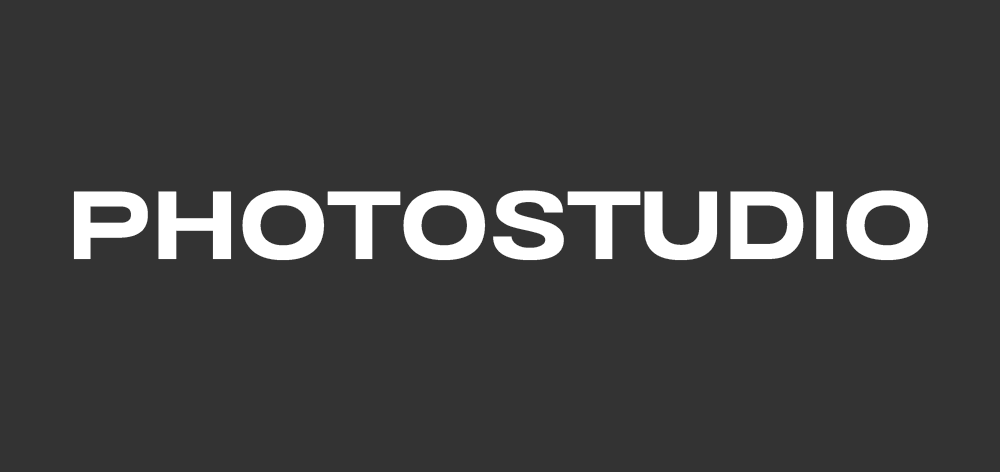
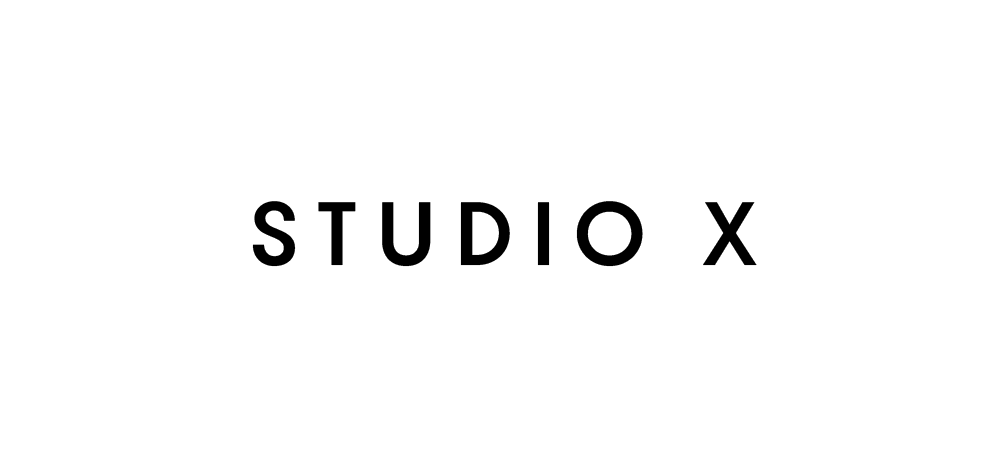
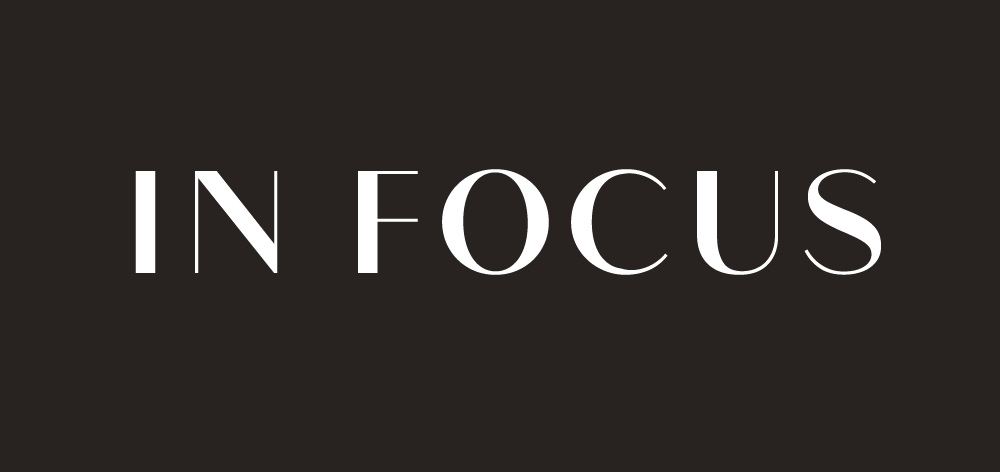
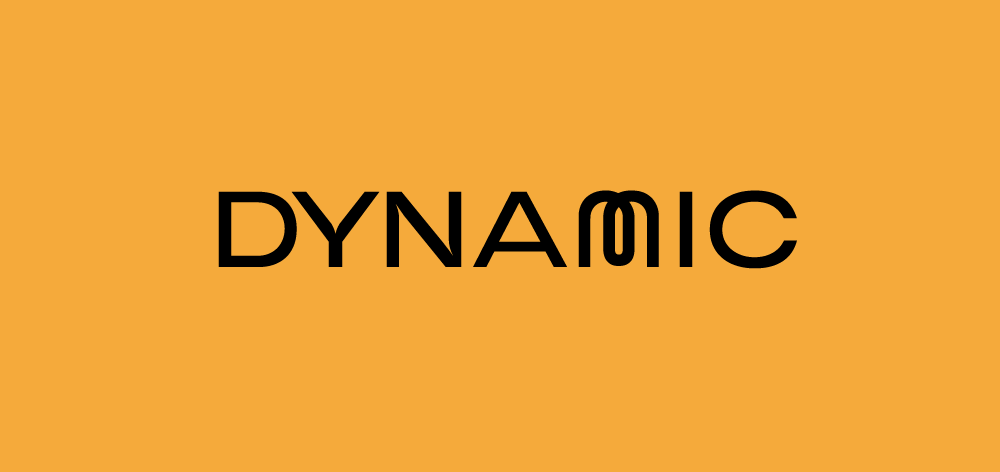


Look at the examples for photo studios or the photo industry in general above. To modify them, click on one of them. We’ve selected only wordmark templates, but you can pick an additional logo symbol in the Mojomox logo maker app later.
First, notice how different fonts create different brand feels. Wider fonts (example 1) look modern and bold, whereas the humanist typeface (example 3) feels warmer and more caring. Secondly, take a look at color palettes—for the photo industry it’s common to stay in the black and white or gray palettes. This way you put the focus on the work itself. If you’d like your brand to stand out more, strong accent colors such as red tones add personality to a brand color palette. Brand strategists always take a look at competitors’ colors—pick a different palette to differentiate your brand.
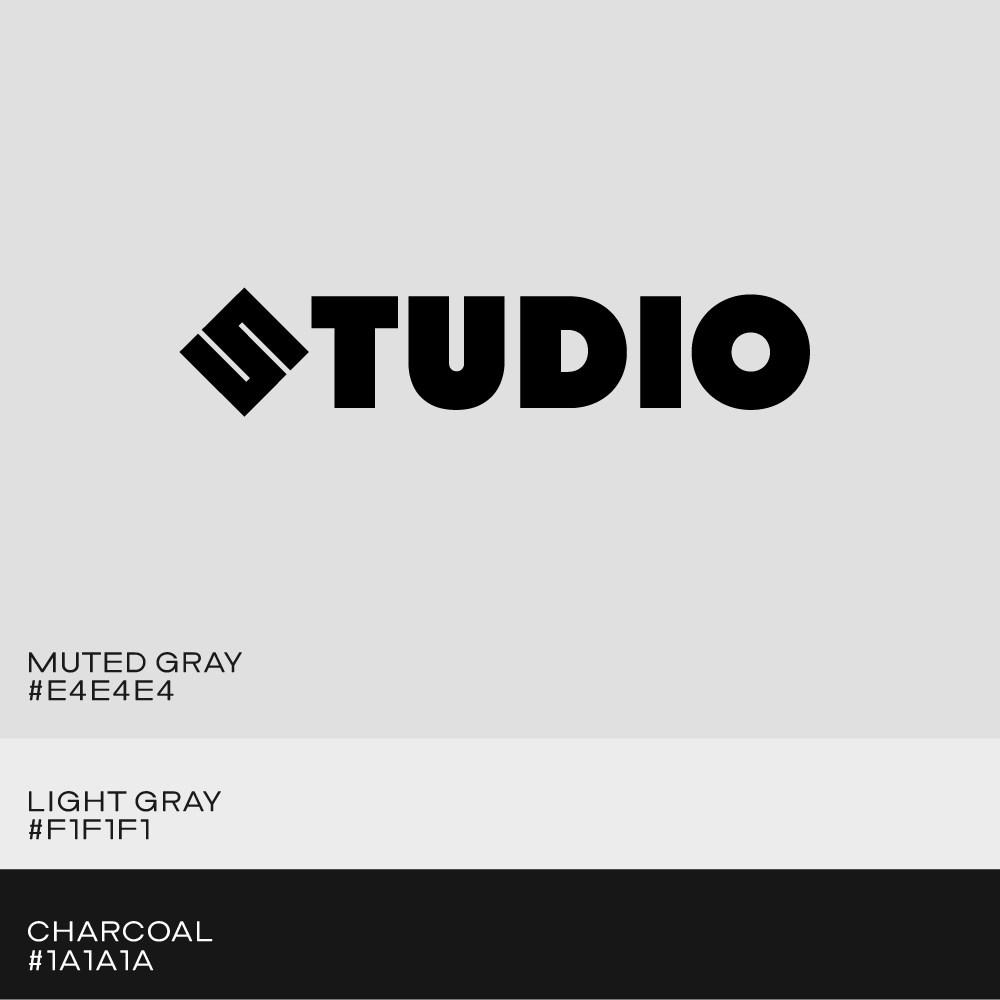
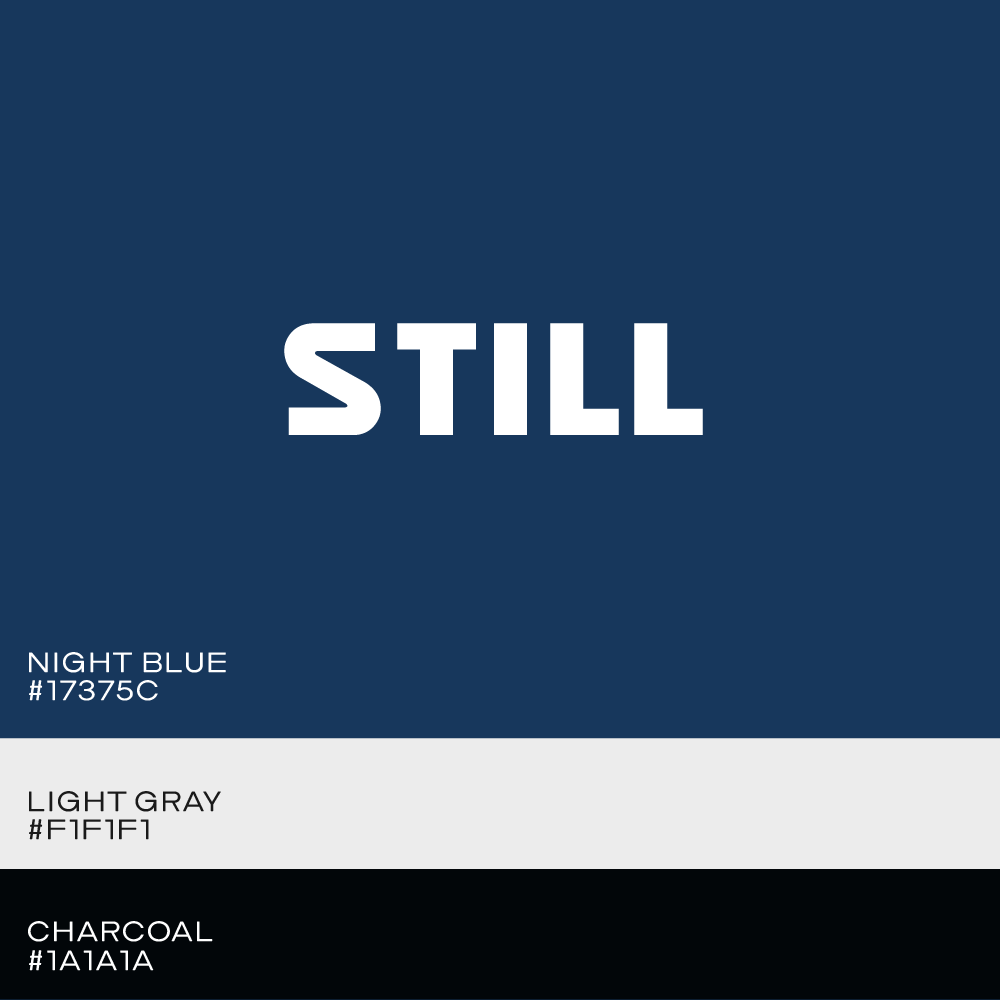
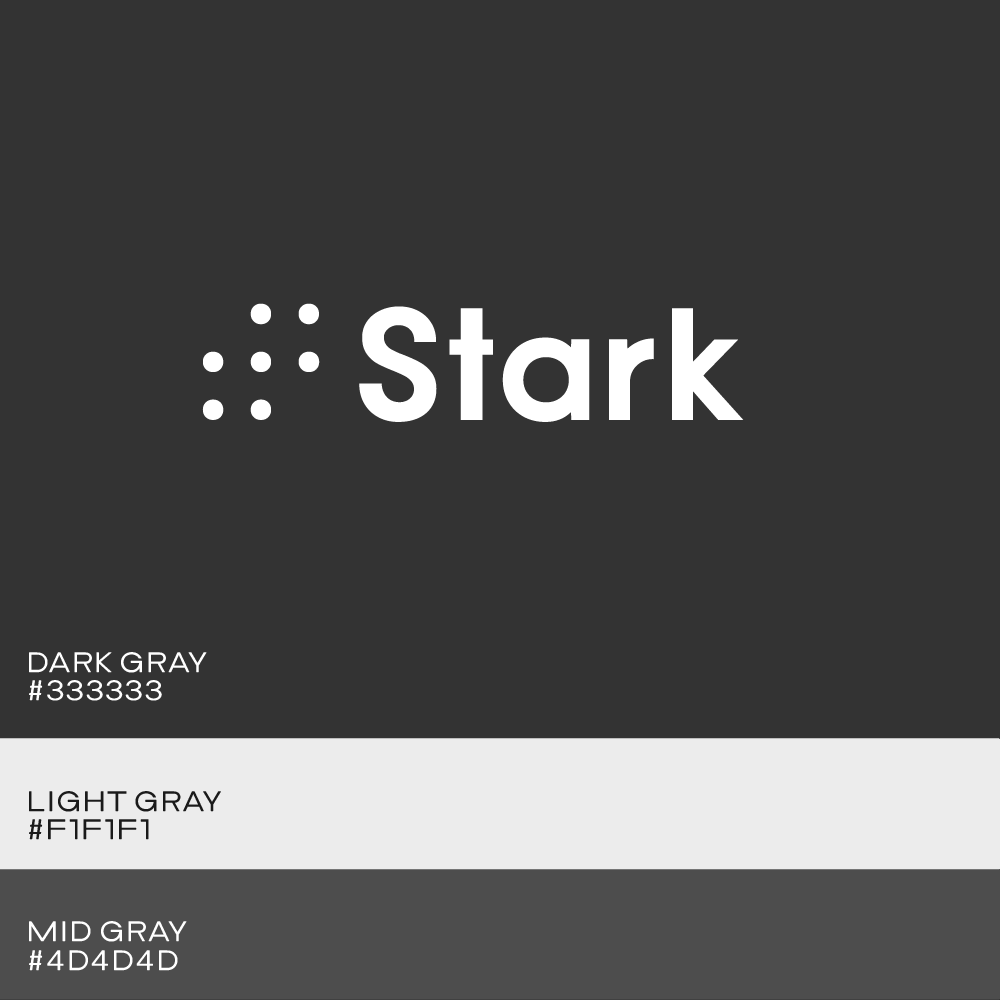
A modern way of making your photography logo stand out is by changing one of the letters of your logo mark into a more unique-looking one.
With that, you’ll think about the meaning of the alternative letter: The letter S in example 10 and in example 11 looks like a piece of photo equipment.
Logo example 12 shows a geometric typeface (Bauhaus Geo) with a logo symbol made from dots.
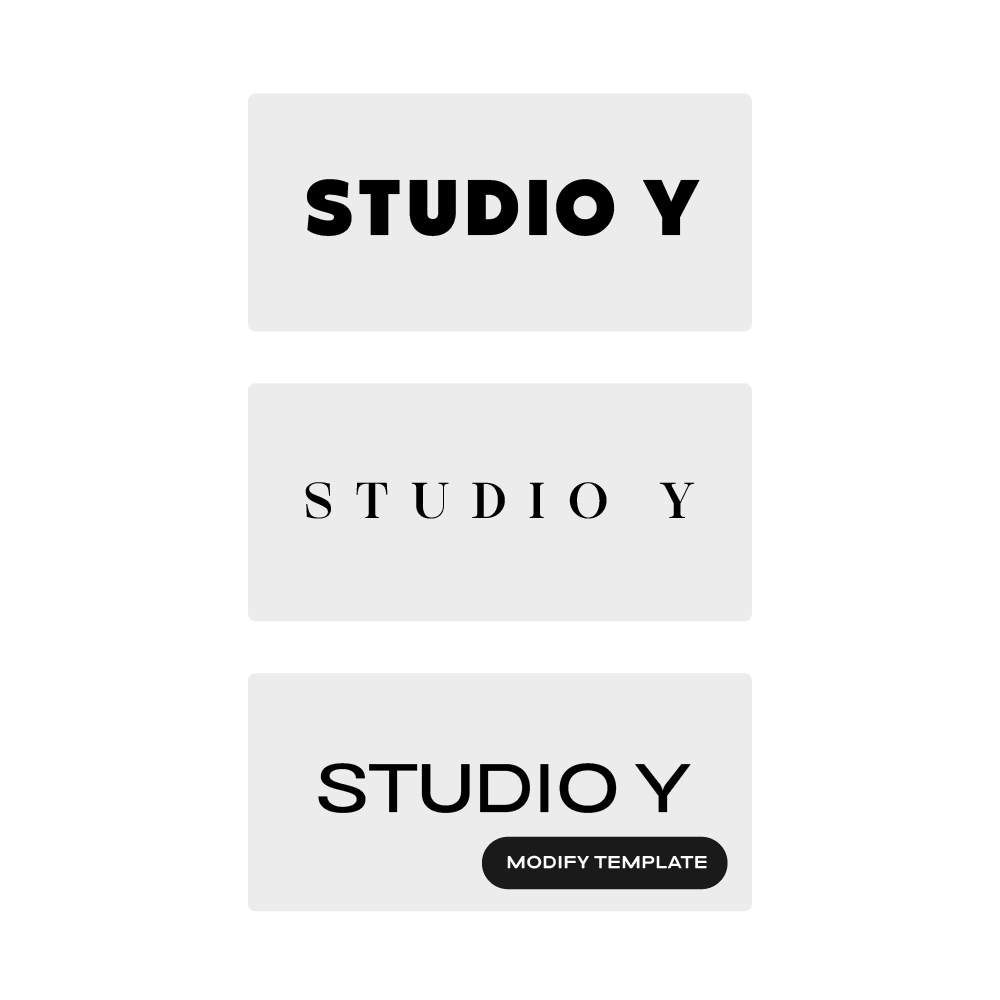
Type in your photography studio name, and a variety of logo options are shown below the input field. You’ll find some with logo symbols and some that are simply wordmarks. Select one logo as the baseline for your custom design by clicking on it.

If you’re looking for a modern approach to logo design, start with a wordmark. Wordmarks look more minimal, timeless, and personal.
After clicking on a baseline design, you’ll get into the Mojomox logo editor. Alternatively, try our logo ideas tool—type in your brand name and you’ll quickly see 101 modern logo ideas based on letters.
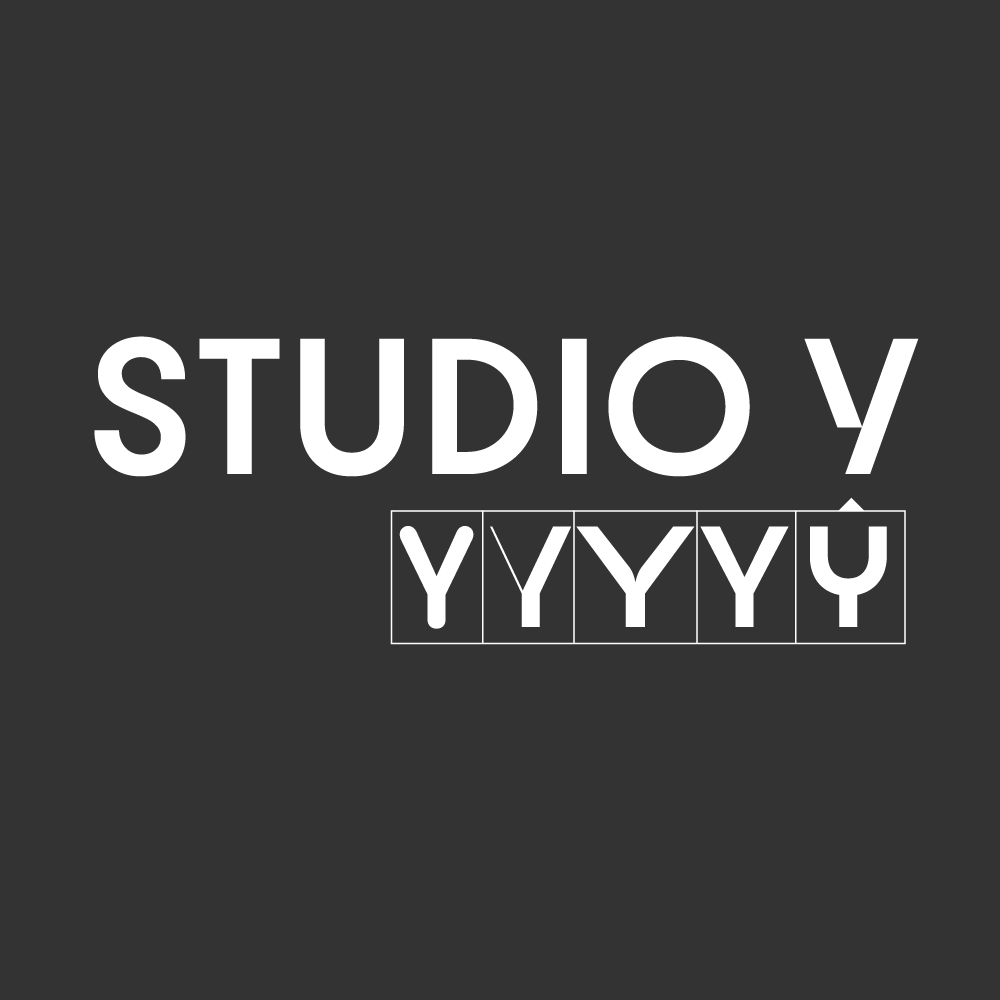
In the editor, in the large white area (artboard) click on a single letter of your logo, and alternative letter shapes will show up below the letter you clicked. If another letter shape represents your brand’s personality more and click it to swap.
After your logo is final, test different colors in the color section in the right sidebar. You can select three colors and you’ll see how they’ll work with each other in the brand kit below the logo editor.
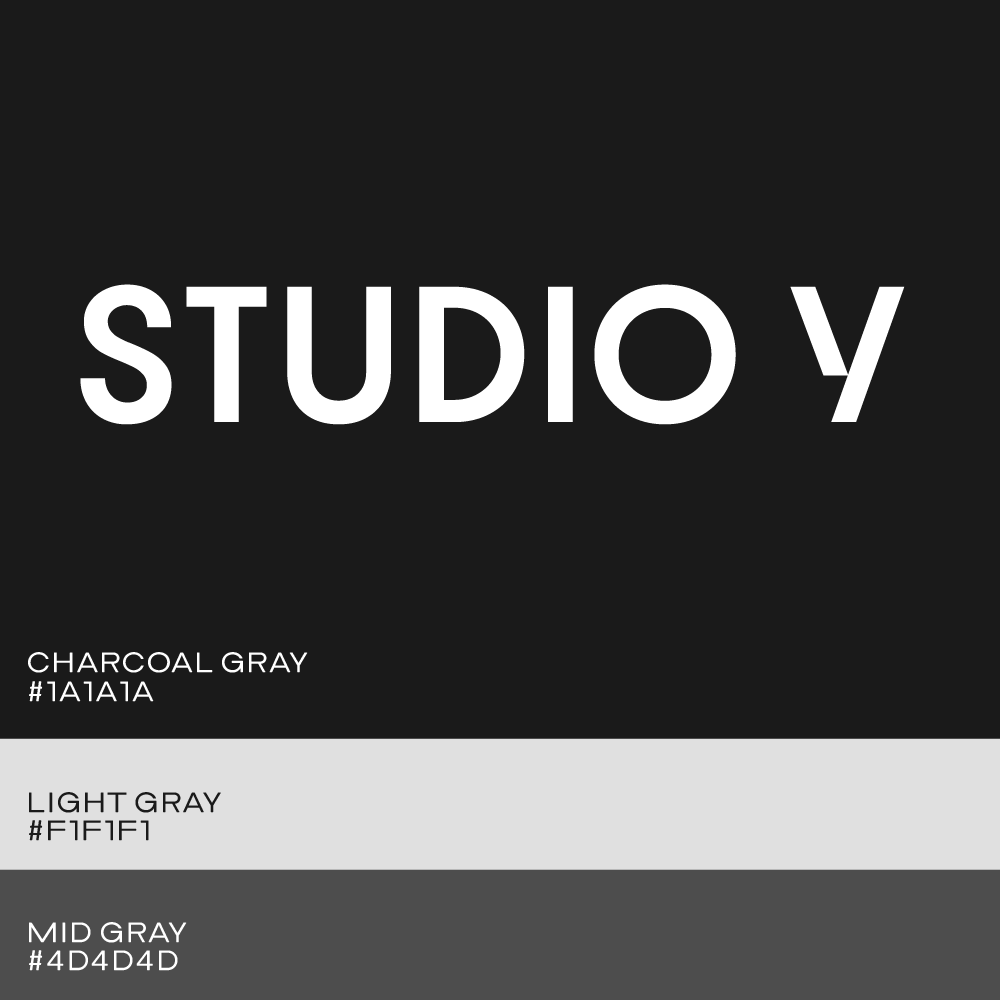
It’s best to pick one primary color for your photography brand. A secondary color can support your primary color–it’s easiest to pick a desaturated version (much darker or lighter) of your primary color or a warm or cool gray. For your tertiary color, elect a color that can be used as an accent color, for example, for website buttons.
Finding the right color palette for your logo is simple. Select a color palette preset to start with and then tweak each color by using the color picker. You can also use the color picker to get the color value from a photo you have opened on your computer (this only works on desktop). Below the logo editor, your brand kit gets generated in real time.
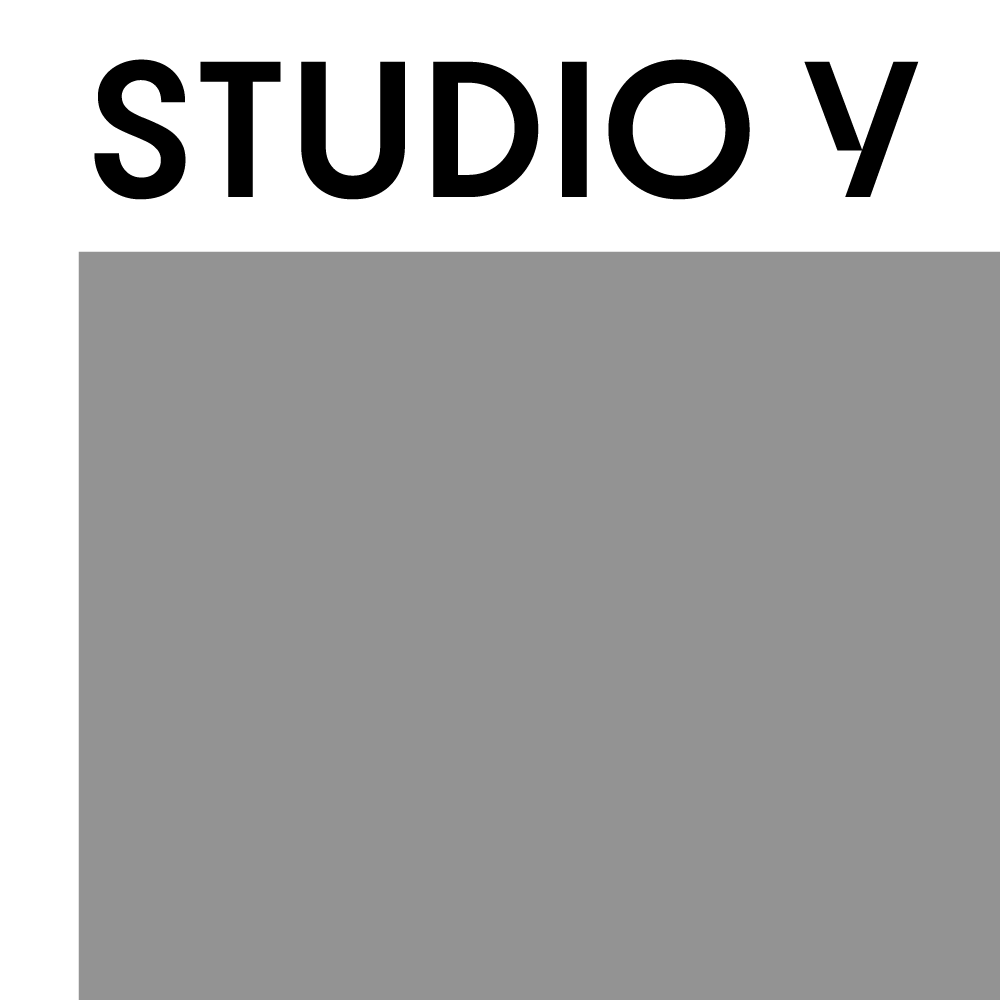
Two common logo lockups are vertical (logo symbol is stacked on wordmark) and a horizontal lockup (logo symbol is on the side of the wordmark). For most modern branding applications, a horizontal lockup is most versatile because the horizontal version takes up less height space in the header section of a website.
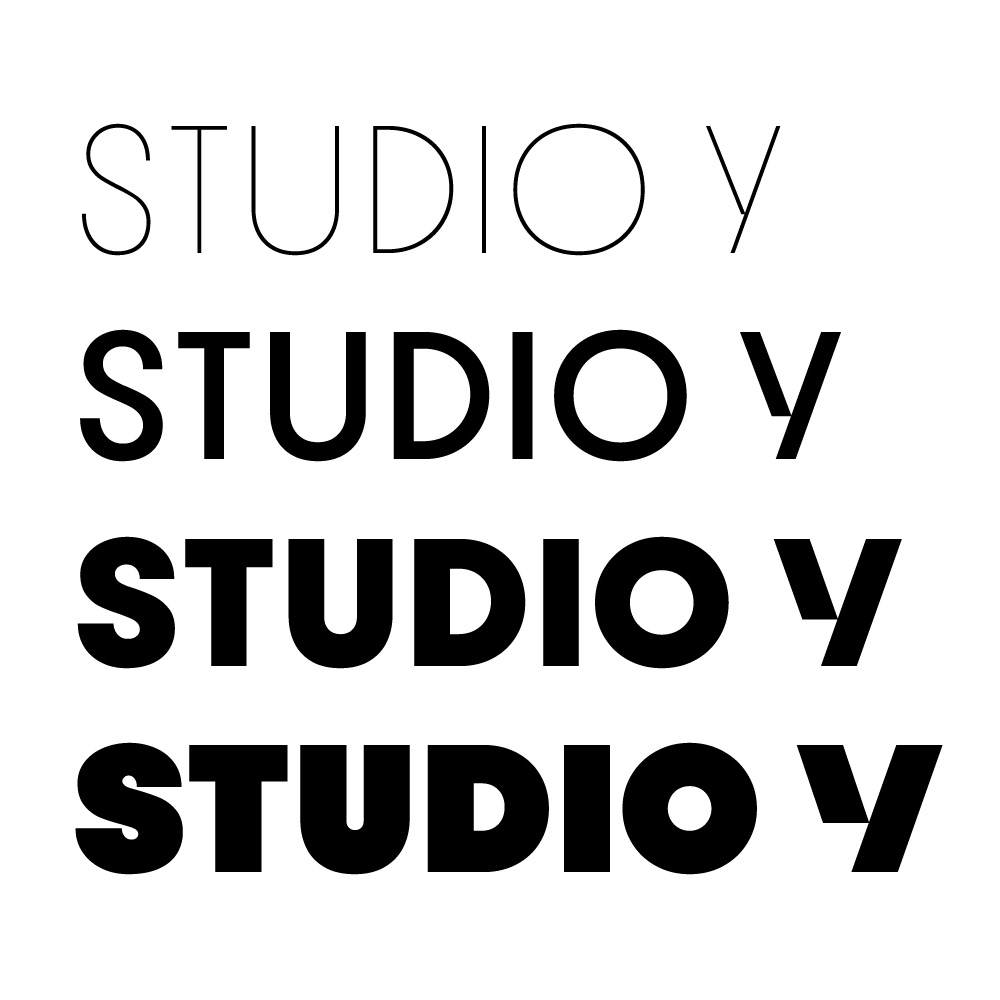
It’s easy to pick modern fonts for logo designs with Mojomox. First, decide whether a serif (personal, sophisticated) or sans serif (approachable, modern) font works best for your brand. Then, use the weight slider to see if a thinner or a bolder style of the type is more appropriate. Thinner styles are harder to read when small. Check if the logo is still easy to read in the Brand in Context section at the very bottom of the brand kit. Try different letter spacing; wide spacing doesn’t work well for long names.
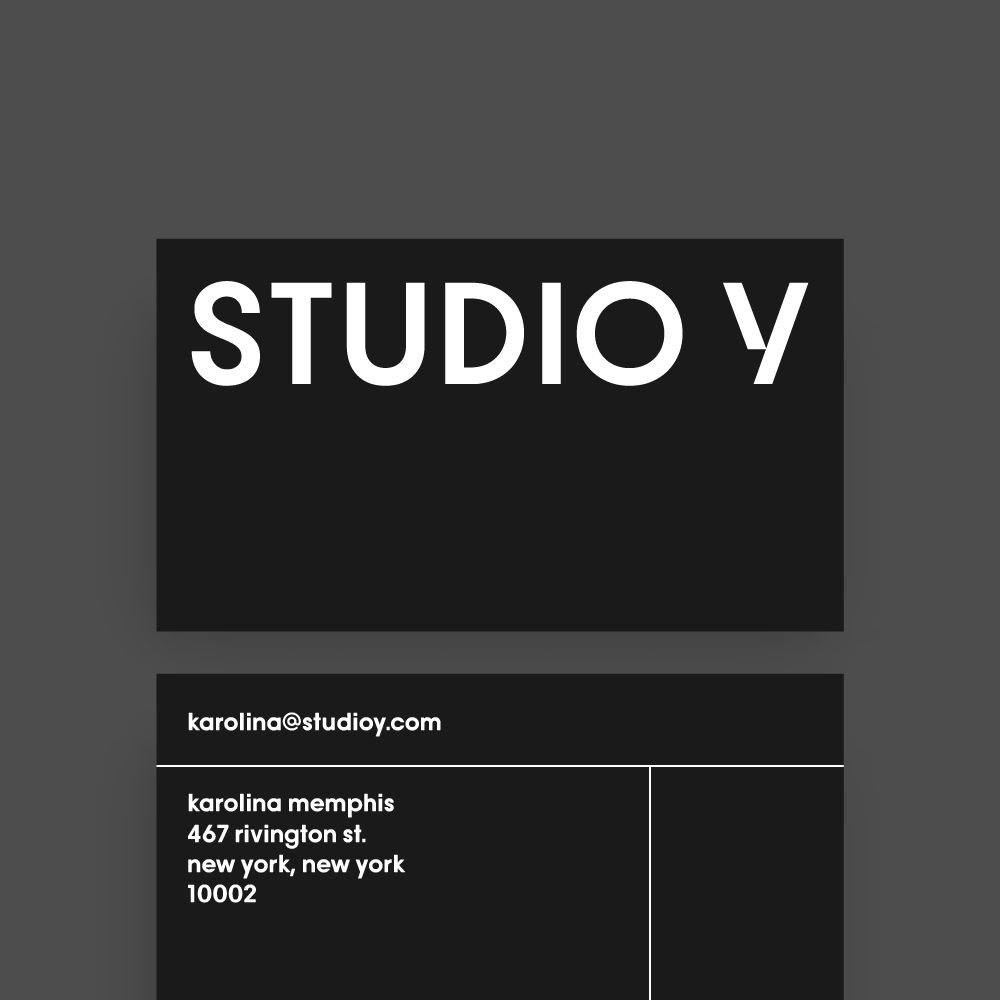
Good design primarily means form follows function. A good logo is readable in small sizes. Test your logo design in all of the environments it will live in: on a website, a letterhead, or photo prints. Design multiple versions of your logo by adjusting font weight and spacing. Upload each file to your website to see how each logo version looks on a desktop computer, mobile phone, and other essential applications, such as business cards.

Saskia is a designer and the founder of Mojomox. She writes about logos, type, and the working craft of identity.